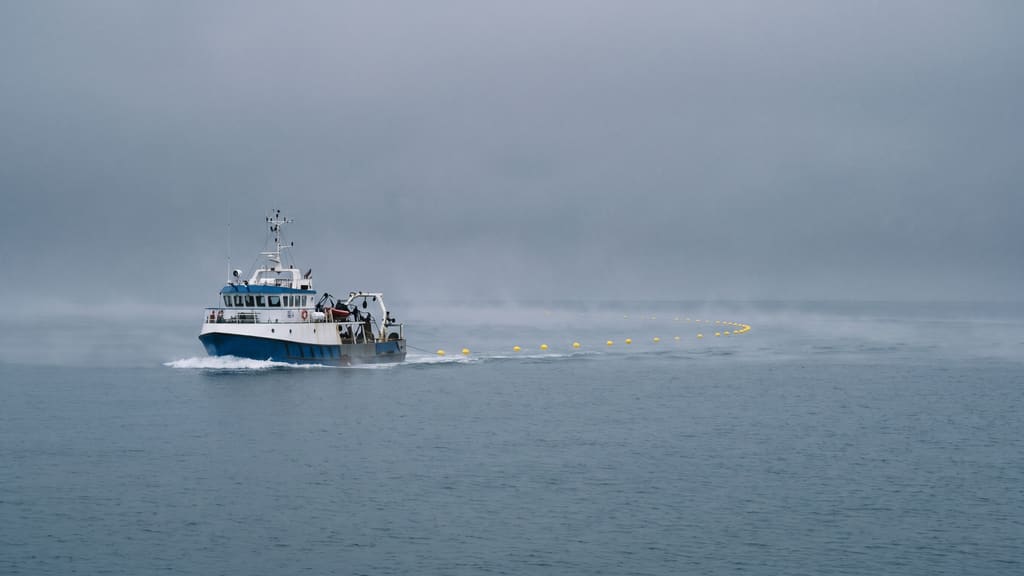
Wind power from 87 kilometres offshore
3,435 MW across three phases, enough for around 5.7 million homes.
What we are building
Kyleness sits 87 kilometres off the Northumberland coast, on a shallow bank in the central North Sea. The site covers 619 square kilometres and the water runs between 27 and 44 metres deep. Power comes ashore on the Northumberland coast and joins the transmission network in the south east of the county.
We are building in three phases. Phase A is the largest at 1,215 megawatts across 81 turbines. Phase B follows with 77 turbines and 1,155 megawatts, then Phase C closes the site out at 1,065 megawatts from 71 turbines. Together that is 3,435 megawatts and 229 turbines, which puts Kyleness among the largest offshore wind projects in the UK.
First power from Phase A is due in 2031. All three phases should be running by the middle of 2034.
About the homes figure. The 5.7 million is our own estimate, not a published statistic. We take the full 3,435 megawatts, apply a 51 per cent load factor and divide the annual output by 2,700 kilowatt hours, which is the figure Ofgem uses for a typical household. Change any of those three assumptions and the answer changes, so we publish the working rather than the headline on its own.
Kyleness at full build
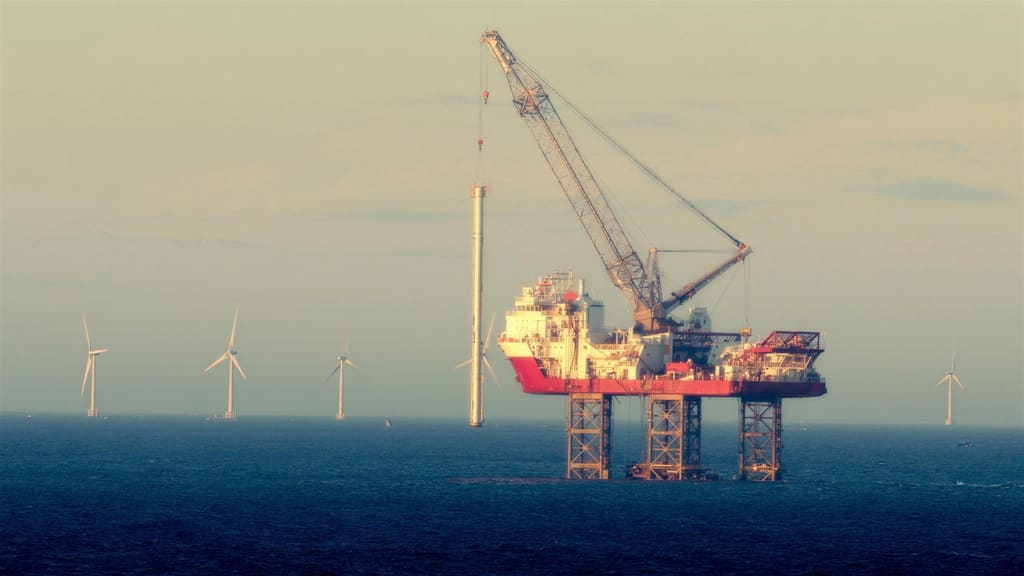
Foundations first, then everything else
Monopiles, array cables, turbines, commissioning. In that order, weather allowing.
How we build itWho owns Kyleness
Kyleness is owned by two companies. Both sit on the project board and both put their own people into the delivery team.
Merrowfield Energy
55 per cent
A UK developer with onshore wind and grid connection work behind it. Merrowfield leads consenting, the onshore works and the community programme.
Skarvholm Energi
45 per cent
A Norwegian offshore developer. Skarvholm leads marine construction, vessel contracting and the operations base at Blyth.
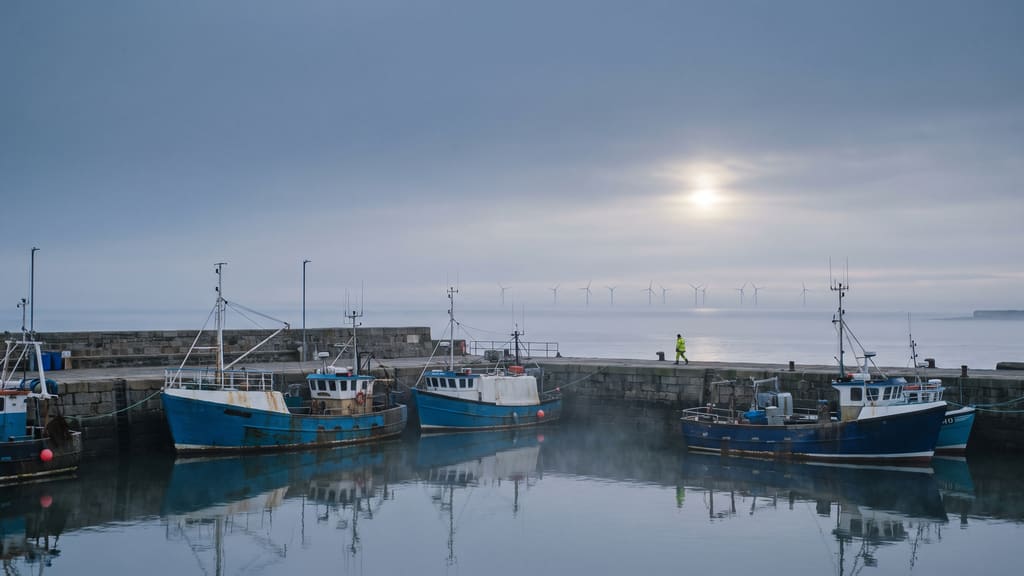
We are working on somebody's doorstep
A fishing fleet, four harbour towns and a fund that pays out where the cable lands.
Our work onshoreWork for UK firms
A project this size buys a great deal from a great many people. Steel fabrication, marine logistics, cable pull in, port handling, accommodation, catering, waste, survey work, training. Some of that goes to tier one contractors on long framework deals.
A good share of it does not, and that is the part most firms never hear about. We publish packages as they reach the market and we keep a register of companies who want the alert. Registering costs nothing and it does not commit you to bidding for anything.
Nine years of work, at least
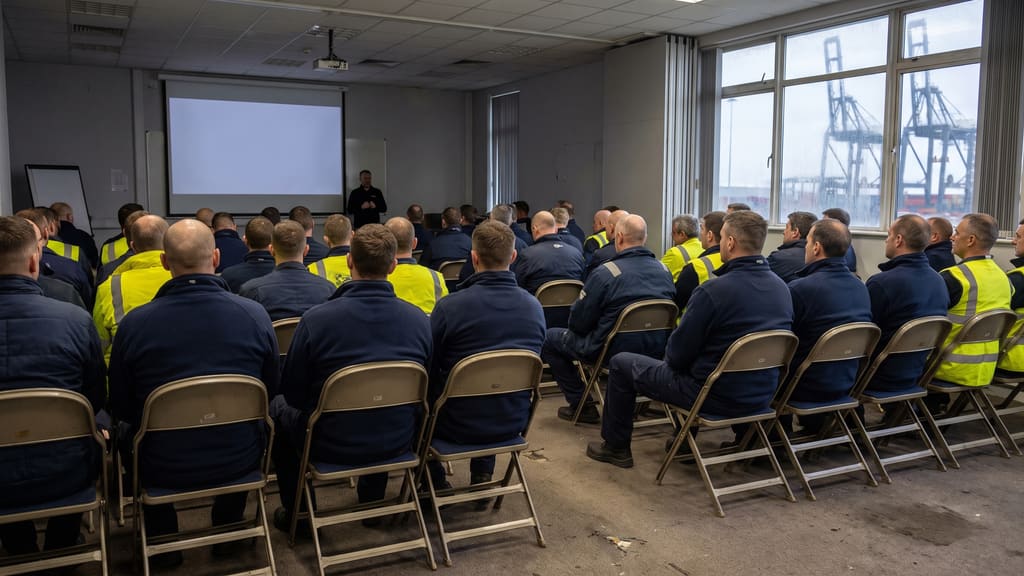
Technicians, coordinators, engineers and liaison roles, run out of Blyth.
Roles on the project